



 by
by 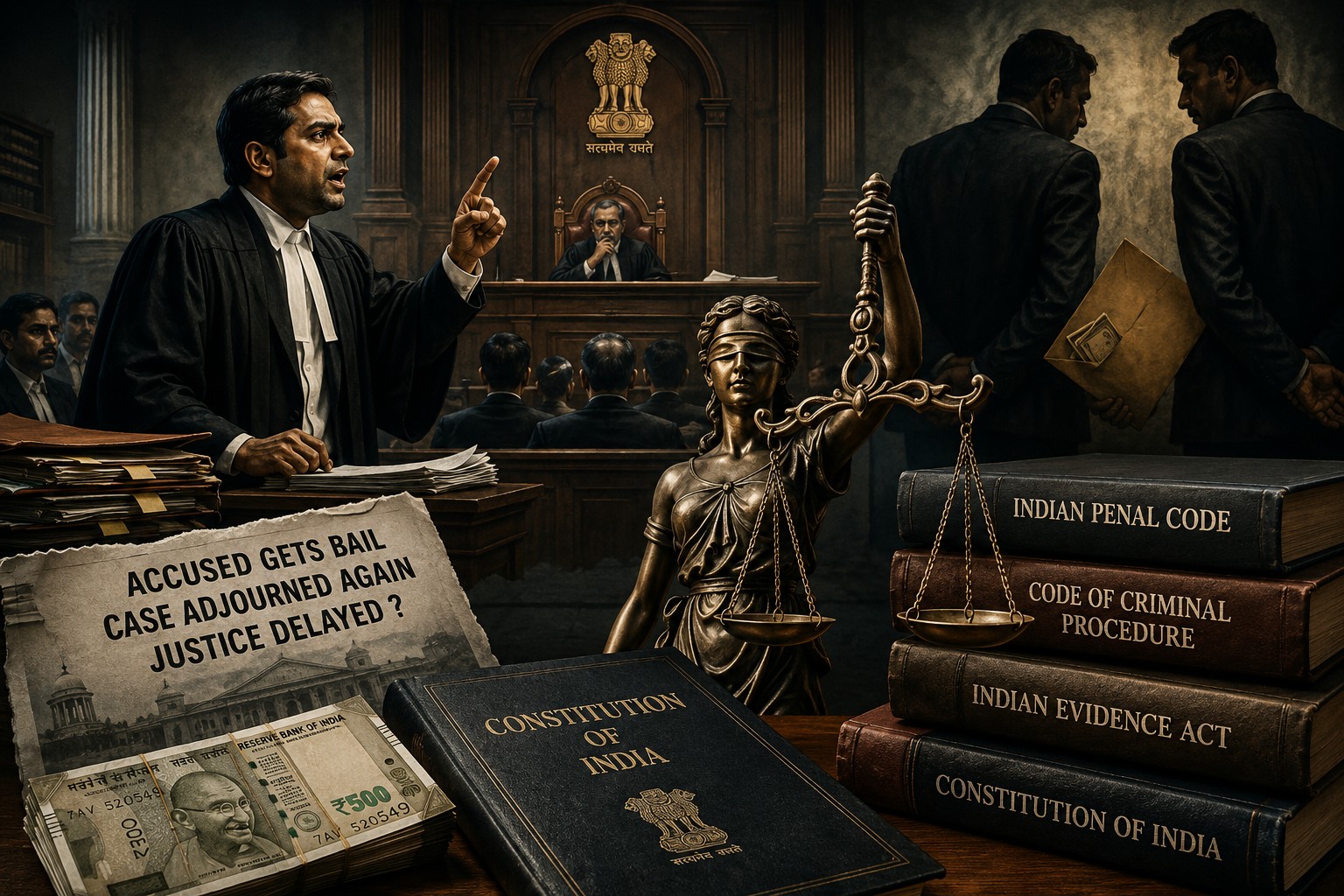
Skilled Lawyers and Legal Loopholes: A Double-Edged Sword
In the Indian legal system, the law is designed to protect both the innocent and the accused. However, skilled lawyers often exploit procedural safeguards, technicalities, and evidentiary weaknesses to defend their clients. This practice, while legally permissible, raises questions about the ethical boundaries of legal defense. As noted in various legal discussions, "the problem is not the existence of defense lawyers, but unequal access to justice and systemic inefficiency." This highlights a critical issue: the disparity in legal representation based on financial capability.
The Cost of Justice: Inequality in Legal Representation
Expensive legal representation creates a significant divide between the rich and the poor accused. Wealthy individuals can afford top-tier legal teams who are adept at navigating the complexities of the law, often resulting in more favorable outcomes. This disparity is not just about the quality of defense but also about the resources available to challenge evidence, delay proceedings, and negotiate plea deals. The systemic issue here is the inequality in access to justice, which is exacerbated by the high costs of legal services.
Delays and Adjournments: The Achilles' Heel of the Indian Judiciary
Delays and adjournments are notorious in the Indian judicial system, often leading to the collapse of strong cases. These procedural delays can be strategically used by defense teams to weaken the prosecution's case. Witnesses may become hostile or unavailable over time, and evidence can lose its potency. This systemic inefficiency not only undermines the prosecution but also erodes public trust in the judiciary. As one legal expert pointed out, "Judicial reforms, faster trials, witness protection, and police modernization are essential" to address these issues.
Money and Influence: The Invisible Hand in Investigations
Money and influence can indirectly affect the quality of investigations and public perception. Wealthy defendants may use their resources to influence the investigation process, potentially leading to biased outcomes. This influence extends beyond the courtroom, affecting how cases are perceived by the public and the media. The ethical dilemma here is profound, as it challenges the very foundation of a fair and impartial justice system.
Ethical Boundaries and Constitutional Rights
Despite these challenges, ethical lawyers strive to defend their clients within the framework of constitutional rights. The Indian Constitution guarantees the right to a fair trial, and defense lawyers play a crucial role in upholding this right. However, the ethical boundaries of legal defense are often tested when wealth and influence come into play. The key issue is ensuring that all accused individuals, regardless of their financial status, have access to competent legal representation.
The Path Forward: Judicial Reforms and Systemic Change
The solution to these systemic issues lies in comprehensive judicial reforms. Faster trials, improved witness protection, and police modernization are critical steps towards a more equitable justice system. These reforms would not only enhance the efficiency of the judiciary but also restore public confidence in the legal process. As the debate continues, it is clear that addressing the imbalance in legal representation and the influence of wealth and power is essential for the integrity of the Indian justice system.
The takeaway from this investigation is clear: while the legal system is designed to protect all individuals, the scales of justice are often tipped in favor of those with wealth and influence. Addressing this imbalance requires systemic change and a commitment to ensuring equal access to justice for all.
Comments