 by
by 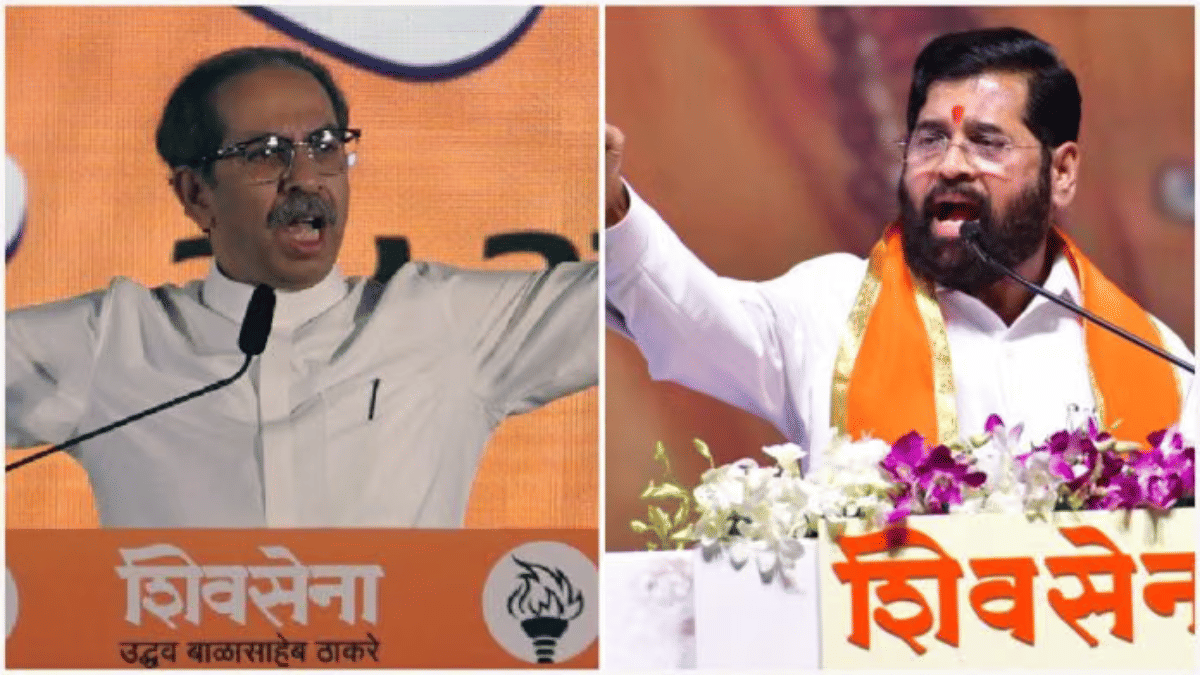
Shinde's 'Operation Tiger': A Strategic Political Maneuver
Eknath Shinde's strengthening ties with the BJP's central leadership have positioned his faction of the Shiv Sena as an attractive alternative for local politicians. Political analyst Sanjay Patil notes, “After this, Eknath Shinde’s political and bargaining power will increase in the state as well as in the Centre.” In contrast, Uddhav Thackeray faces a significant uphill battle; the recent local body elections were a setback for Shiv Sena (UBT), which struggled to gain traction outside Mumbai, leaving morale low.
Jaidev Dole, another political analyst, suggests that Shinde is poised to emerge as a formidable Maratha leader, casting doubt on the prospect of a resurgence for Shiv Sena (UBT). A recent meeting called by Shiv Sena (UBT) saw a disappointing turnout, with only one Rajya Sabha MP and three Lok Sabha MPs present, raising questions about the viability of Uddhav’s faction. A Shiv Sena leader, speaking anonymously, indicated that a letter has been submitted to Lok Sabha Speaker Om Birla, suggesting that the induction of the six absent MPs is still pending due to “certain technical and legal formalities.”
If the merger materializes, Shinde's faction would lead the ruling Mahayuti with 13 MPs from Maharashtra, outpacing the BJP's nine. Shiv Sena MP Naresh Mhaske stated, “Yes, definitely it will bolster our position in Mahayuti and state politics,” adding that this shift would enhance their electoral strength ahead of the 2029 elections.
Internal Struggles and Tactical Moves
For over a year, Shinde's faction has been courting Shiv Sena (UBT) MPs, with 'Operation Tiger' gaining momentum following a split within the Trinamool Congress in West Bengal. A leader from Shinde's camp noted, “We knew that their leaders were not happy with Uddhav Thackeray. All we did was hear them; there was a lack of leadership.” This sentiment reflects a growing discontent among UBT members, prompting some to rethink their alliances.
Patil interprets this ongoing struggle as one more centered on the rivalry between Chief Minister Devendra Fadnavis and Shinde, rather than solely a fight against Thackeray. He asserts that as Shinde amasses more MPs, his influence within the Mahayuti will only deepen. “This is a fight on two fronts,” he warns, highlighting the complexities of state politics.
Shinde's party is expanding its reach in rural Maharashtra, particularly in Marathwada, where the traditional Shiv Sena stronghold is under pressure. Dole points out that Shinde is becoming the leading Maratha figure, particularly in the cooperative sector, which has historically been neglected by the BJP. This shift is rallying support from Maratha leaders who see in Shinde a protector of their interests.
Thackeray's Challenges and Future Prospects
Recent defections from Uddhav's camp underscore the precarious state of his leadership. One senior leader revealed that when Thackeray visited Delhi last year, many MPs were reluctant to associate publicly with him, although they feigned loyalty in private. The recent departure of six MPs, who had previously pledged allegiance to Uddhav, signals a significant shift in the party's dynamics as they seemingly abandoned their commitments.
As analysts predict a tough road ahead for Thackeray, the internal party structure suffers from a lack of clarity and direction. Uddhav's health issues have limited his outreach, and critics argue that his son, Aditya, has not stepped up sufficiently to fill the gap. Dole remarked, “After the initial months in 2022, even he went quiet.”
Nevertheless, Uddhav's supporters remain defiant. MP Sanjay Raut asserted, “It doesn’t bother us. We have gone through many such rebellions in the past and a job of the party is to rebuild it.” However, dissent within the ranks continues as leaders question the party's ideological stance and clarity regarding its commitment to Hindutva versus secularism.
With the stakes rising, Patil highlights the precariousness of Thackeray's position: “Those who are with him are fighting for their survival,” suggesting that the political landscape could shift dramatically if the current trends continue. As the battle for Maharashtra's political future unfolds, both factions must navigate these turbulent waters with care.
Comments