 by
by 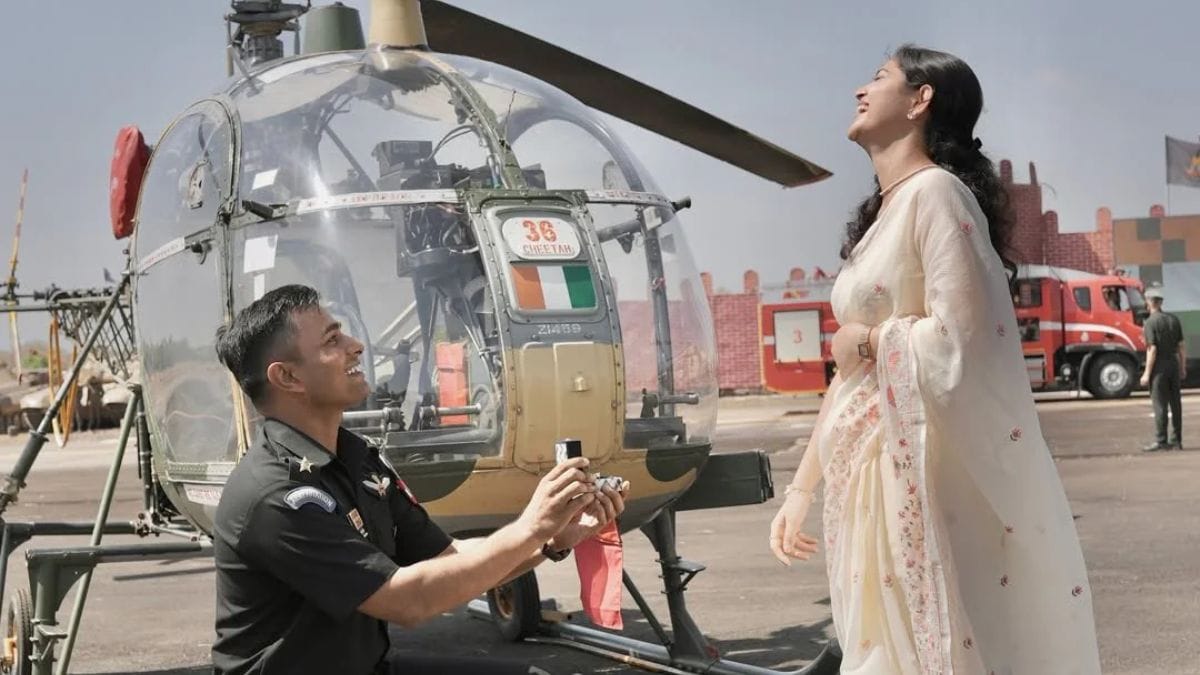
Defending the Spirit of the Army Captain's Proposal
The backlash against the Army captain's recent proposal reflects a fundamental misunderstanding, particularly among older generations. Celebrating moments that highlight the valor of our armed forces, especially on social media, should be embraced. Stifling the enthusiasm that characterizes our military undermines its very essence. While concerns about security are valid, they miss the mark here; the event showcased publicly displayed Army equipment, and there was no breach of protocol during the captain's proposal.
This proposal took place at a poignant moment—right after the passing out parade, surrounded by family, and on a day that marks the beginning of his military career. Changing into civilian attire would have detracted from the atmosphere and significance of the occasion. Celebrating the mood of such moments is crucial in maintaining the spirit that fuels our Army.
The Importance of 'Josh' in Military Culture
Traditions like throwing hats after a passing out parade have faced criticism in India, but they symbolize the exuberance that defines military life. Moments of celebration, such as a band major tossing his staff or an Air Force drill team member twirling rifles, embody the spirit and vitality of soldiers. This energy, or 'josh,' is not just a feel-good factor; it propels our troops to achieve the extraordinary, as seen in historic battles like Rezang La and Longewala.
Curtailing displays of josh during parades can have a demoralizing effect. This spirit of enthusiasm is essential in both peace and wartime; suppressing it in peacetime risks its absence when it matters most. The captain's proposal serves as a reminder of the critical role that morale plays in military success.
Harnessing the Power of Social Media
The proposal also opens the door to a broader discussion about the military's engagement with social media. Historically, we've excelled in operations but struggled with narrative control. Other nations, notably Pakistan, have effectively utilized social media to shape public perception, a practice we must adopt to promote our own successes.
When I served as Corps Commander in Kashmir, I advocated for a social media presence to counter skewed narratives. Unfortunately, it took years for the Army to embrace this medium. In today's fast-paced information environment, timely engagement is crucial. Currently, our forces are restricted from sharing images in uniform, which prevents them from inspiring citizens. Instead of an outright ban, we should focus on educating soldiers about responsible social media use.
Trusting Soldiers with Their Own Narratives
Many democratic militaries encourage their personnel to share their experiences online, fostering transparency and public engagement. In contrast, the Indian Army maintains a rigid stance on social media interaction, limiting personnel to passive consumption. In an era where information warfare is ever-present, we must adapt and harness these platforms effectively.
The young captain who proposed may face scrutiny for his actions, but this should not stifle the adventurous spirit that defines military aviators. We should champion the ethos of pushing boundaries and embracing moments that define our soldiers, rather than punishing them for taking risks. As Lt General Satish Dua, a former Corps Commander, aptly notes, the views expressed are personal, yet they resonate with the broader conversation about the Army's relationship with society and social media.
Comments